How to live without deprivation and still lose weight
The idea of giving yourself unconditional permission to eat may seem frightening. After all, we all fear that we will then never stop eating and gaining weight. It is worth noting that it is dieting itself that usually causes overeating, and worth discovering the principles of intuitive eating. Find out how to live healthily and without deprivation.
Intuitive eating is a way of eating that allows your weight to stabilise within the physiological norm and to stay there for many years. Unlike the dieting approach, the main goal of intuitive eating is not weight loss, although weight loss is one of its results. A person who eats this way gives up prohibitions, food-related fears and, above all, guilt. We all have an innate, natural ability to eat intuitively, although it is suppressed, particularly by dieting.
Intuitive eating means choosing what is not only healthy for us, but also tasty. Forcing yourself to eat dishes or foods that you don't fancy at that moment is the wrong approach. Intuitive eating is not a diet but a philosophy of nutrition. It assumes that the body by its nature knows best what it needs and in what amounts. Listening to yourself and rejecting beliefs imposed from outside allows you to rebuild a healthy relationship with food, so that it stops being a source of problems and becomes your natural ally in preserving your health and beauty for as long as possible.
Recognise the feeling of hunger
Eating is a physiologically based activity whose purpose is to meet the body's need for energy and nutrients. Under normal conditions, this need shows itself as a feeling of hunger, which should not be our enemy but merely a message . Many of us routinely suppress this feeling by eating excessive amounts of food for reasons that are not physiological but purely social and psychological, i.e. eating on impulse, out of emotion or habit, or as a result of following conventions that stem from our culture or tradition.
Celebrate every meal!
Eating is one of life's pleasures and often accompanies us during important moments. It is worth savouring and making sure to chew your food slowly. During a meal, we should bear in mind that the signal of fullness only reaches our brain after about 20 minutes, so eating quickly under stress makes it easy to miss the moment of satiety and leads to overeating, which is later reflected in conditions such as being overweight or obesity.
Don't eat your emotions
Food does not solve emotional problems; it only makes them worse. Seeking comfort in it at times of nervous tension makes us feel better for a moment. Ultimately, however, it brings us down and dispirits us even more, because our original problems have not gone away and new ones have appeared in the form of extra kilos. Recognising this mechanism and understanding its causes can solve weight problems for good. Learn to tell physical hunger from emotional hunger. Consciously develop new, constructive ways of coping with stress and learn to live without deprivation.
Respect and accept your body
Constant complaints, dissatisfaction, starving alternating with overeating, and overuse of stimulants are just a few of the sins we commit against ourselves. The human body is amazing! Accept your body - it is a cliché, but you will never have another one. Don't impose unrealistic expectations on it. Don't wish for it to be like other people's. Acceptance does not mean giving up. Rather, it is a recognition of your own individuality and uniqueness. Proof of unconditional love.
Be active for pleasure, not out of obligation
Movement is also one of life's greater pleasures. For some reason, though, it is hard to think of it that way. We usually treat physical activity as training and associate it with effort, robbing ourselves of the joy that comes from moving. We trivialise the whole process and believe that we can only shed excess kilos through hard, gruelling work rather than through having fun. As a result, while we can force ourselves to exercise regularly in the short term, over a whole lifetime few of us attach much importance to it. Unfortunately, with the well-known consequences for our health. So find a form of exercise that you enjoy and will want to do regularly.
Give yourself time
When you slow down a little, listen to your body. Be more mindful and learn how to live without deprivation and stay healthy. Eat sensibly, in the way you need. You will keep or gain a healthy figure and peace of mind.
Chromium and weight loss
Chromium is a micronutrient essential for the proper functioning of the body. It should not be missing from any diet. When we want to shed excess kilos we can reach for it, but before we do, it is worth analysing our menu first. If the problem of an excessive appetite is not rooted in stress, chromium will help us maintain the right blood sugar level and thereby calm hunger pangs.
What is chromium?
Chromium (Cr) is a so-called trace element, of which we have very little in the body - only 6 milligrams. Even so, it plays an important role in many metabolic processes. Above all, it is involved in the production of insulin, as well as in the metabolism of proteins and carbohydrates. Trivalent chromium is a component of the glucose tolerance factor, which binds to insulin and enhances its action. It speeds up the metabolism of glucose and fatty acids and shortens their journey from the blood to the appropriate cells. It is worth remembering that chromium is a heavy metal and an excess of it can cause headaches, insomnia, irritability, mood swings and iron deficiency. You need to look after the right level of this element, not least because a deficiency leads to higher levels of cholesterol and triglycerides in the blood. What is more, it makes protein digestion harder, encourages a slower metabolism and can even lead to diabetes. The chromium requirement for men is 35 micrograms per day, and for women 25. The estimated safe daily dose of chromium is between 50 and 200 micrograms.
How does chromium work?
Chromium has been proven to influence the regulation of blood sugar levels and to boost the production of insulin, which is a key factor in the fight against excess weight. Together with insulin, chromium is involved in protein metabolism and helps lower cholesterol levels. Importantly, it reduces the level of the LDL fraction ("bad cholesterol") while increasing the level of HDL ("good cholesterol"). That is exactly why chromium is used in the prevention of atherosclerosis and heart or blood vessel disease. This element also helps relieve stress and fatigue and slows down the body's ageing processes.
Where can I find chromium? Sources of chromium in food
A varied diet does not lack good sources of chromium. The problem is that this element is poorly absorbed. Foods containing the most chromium include: liver, poultry, green peas, cereal products, onions, sweetcorn, prunes, apples, nuts, yeast, wheat germ, eggs, and fish and seafood. How well chromium is absorbed from the digestive tract depends on several factors. The form in which it is taken is crucial. If we follow a balanced, healthy and varied diet, we are certainly providing our body with enough chromium. It can also be topped up with suitable food supplements. However, chromium supplementation is not recommended for pregnant or breastfeeding women. Diabetics, too, should consult a doctor before starting products containing this element.
Chromium and its effect on weight loss
The positive effect of chromium on diabetes has been proven, although it does not always bring the expected results. When it comes to weight loss, there is no consensus on its effectiveness. Chromium probably helps in the fight against excess kilos. It has been proven to affect metabolism, while a deficiency of this element reduces the uptake of free fatty acids by the liver. It also limits the storage of fat in tissues. Thanks to these actions, it may help prevent obesity. So if we keep our chromium level at the recommended level (or increase it to 200-400 mg), our metabolism should speed up, and as a result we may lose weight. However, we must remember that chromium is not a miracle cure for a beautiful figure. It will certainly help us keep our blood sugar level stable. If, however, our craving for sweets stems from stress or habit, not even chromium will stop us from snacking. Let us remember that food supplements or weight-loss "aids" support a change in eating habits, but they are not a miracle remedy. A calorie deficit and physical activity must be part of the daily plan. Nevertheless, supplements with chromium and other ingredients of natural origin will help us get through the difficult time of losing weight and stick to our diet.
A long weekend on a diet - how to get through it?
It is true that, whether or not we are on a diet, we tend to eat more at the weekend or on holiday. Subconsciously we decide that we deserve a reward and a moment of relaxation. What is more, if we travel abroad, it would be a shame not to try the local delicacies and specialities. So how do you get through a trip and a long weekend on a diet?
The more restrictive the diet, the more we impose on ourselves and the less we eat, the more we will feel like going wild. It is a big trap that can bring us closer to frustration rather than to the weight loss we long for. A holiday should be a time to relax. If your holiday plans are starting to be dominated by worries about your figure and how it might suffer, that should be a warning sign for you. Time to recharge, relax and gain a little distance from what we do every day is the foundation for maintaining mental balance and building up energy for the next efforts.
That is why, with this short guide, we will try to make the coming days easier for you. We will suggest how to keep your balance, avoid going overboard and not end up feeling guilty, while still being sure that you made the most of your holiday.
First - don't panic!
The holiday period is a time to enjoy your free time, both from work and from your diet regime. Of course, no one is suggesting that you eagerly throw yourself at everything during a few days off. However, too much emotional tension, telling you that the holiday could end badly for your figure, will push you to take steps that are not conducive to relaxation.
Thinking in terms of wanting to look after our figure at all costs can turn a holiday and time off into a real nightmare. Too much stress can intensify the urge to snack, and from there it is easy to fall into a vicious circle.
So start by checking what you have achieved so far and what goals lie ahead of you. Before you leave, decide which small departures from your diet you can allow yourself.
Second - moderation and balance!
Going to extremes will not bring any positive results. So do not let your holiday be dominated by stressful thoughts about whether we have eaten anything beyond the plan and whether our figure is still in check. When eating out, choose foods that are nutritionally valuable.
Go for local produce and specialities. Travel is, among other things, about getting to know different cultures - including culinary ones. Remember, though, that if chips are on the menu, it does not mean you cannot swap them for something else. Keep an eye on quantity and portion size. While relying on healthy, unprocessed foods will be the starting point for staying in shape, the amount of food on your plate will also matter enormously. Do not eat more than you need. And if the speciality of the place or region where you are staying is a high-carbohydrate or fatty dish - just try a little or have a smaller portion. A small amount of alcohol or your favourite dessert should not do any harm either.
Third - everything that is best for you!
Trips out of town, barbecues with friends or a picnic. They are often tricky for people on a weight-loss diet. Yet no one is forcing you to change your eating habits. At a shared barbecue, you can confidently prepare dishes that are good for you. Spring barbecues usually come with white bread. You can opt for multigrain bread or skip it altogether. If you remember to drink plenty of water, nothing bad should happen.
During the holidays and long weekends we can afford to be a little more active. So go for long walks in the forest or along the seashore. If you happen to be on a May city break, use your own two feet instead of a taxi or public transport. Not only will you burn off extra calories, but you will also have the chance to take a closer look at the charms of the city.
Find the happy medium
Travel and holiday temptations are often a critical point in sticking to a diet. But that is no reason to deny yourself meeting friends or going to restaurants. Think positively and savour life in moderation. Remember a few rules and it will certainly be easier. Control your portions - plan how much you will eat before you start your meal. Do not leave your plate empty, but do not starve yourself either. Keep to the basic principles of your diet and plan small departures and a slight calorie surplus. While you are away, rest more actively than before. You can also opt for natural food supplements that will help curb your appetite. The May long weekend is meant to bring joy and pleasure. How do you get through a long weekend on a diet? If you approach eating during these days off with common sense, it will certainly not end with extra kilos or a guilty conscience.
Abdominal obesity - how to get rid of it
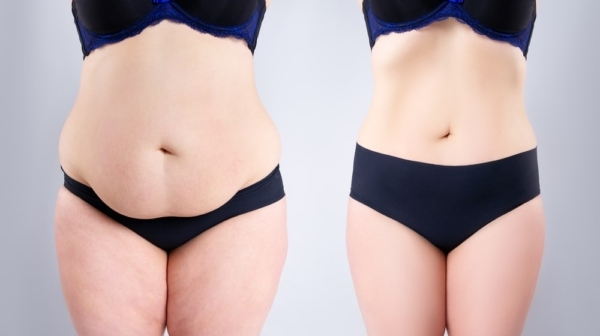
Abdominal obesity in women is a common problem that can be the source of many insecurities. We usually dream of getting rid of that troublesome spare tyre quickly and easily. What matters is finally taking the right steps. Contrary to appearances, losing excess kilos is not as difficult as it might seem. How do you get rid of abdominal obesity? Everything is described below.
What is abdominal obesity?
Obesity is now recognised as a chronic lifestyle disease. Every year it affects more and more people. The type known as abdominal, visceral or central obesity affects the waist and chest area. It mainly affects men, but essentially anyone who neglects their diet and exercise is at risk of apple-shaped obesity - men and women alike, as well as children and teenagers.
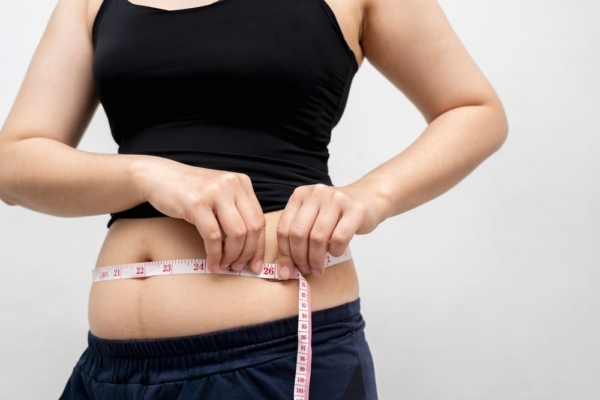
It is an increase in body weight well above normal values. It is recognised mainly by fat tissue accumulated around the abdomen. In men it is diagnosed when waist circumference exceeds 94 cm, and in women 88 cm. Abdominal obesity is very dangerous to health and has a negative effect on how the whole body works. It becomes a health risk and requires treatment. The foundation is the right diet and daily exercise. The key to success is reducing the amount of fat in the abdominal cavity, which will also translate into a smaller waistline.
Abdominal obesity - complications
Visceral obesity can lead to many serious complications. Above all, it poses a very great threat to health. It involves the build-up of fat tissue, which in turn threatens the functioning of organs - fatty organs work much worse and less efficiently.
People struggling with abdominal obesity are at risk of numerous diseases - including heart disease (e.g. heart attack), circulatory disorders, type 2 diabetes, insulin resistance, high blood pressure, atherosclerosis and sleep apnoea. People with abdominal obesity also have a higher risk of stroke, and of pancreatic, bowel or prostate cancer.
For many people, mainly women, obesity is also an aesthetic problem. Men, on the other hand, accept their appearance much more easily than women. It also lowers quality of life. It makes moving around a real effort, almost a challenge - climbing stairs or going for an ordinary walk causes breathlessness and fatigue.
Fighting obesity is very hard and requires many sacrifices and a readiness to change. It is, however, much better to prevent it than to treat it later. Find out how to deal with obesity effectively.
The secret to a flat stomach? Switch to a healthy diet!
It has long been said that "abs are made in the kitchen". If we dream of a slim stomach, we have to eliminate all bad eating habits. Without that, there is no chance of losing the excess weight. A diet for abdominal obesity is free of all sweets and fast food. Even though these products are very tasty, they are a real calorie bomb.
Many people are also afraid of having to give up meat. There is no need at all, as meat is perfectly acceptable. It is best, however, to choose white meat. Chicken is a good choice. Let us also remember to replace lard with oil. It is also worth getting used to steamed meat. It is much healthier than fried and breaded meat, which soaks up a great deal of fat.
We should replace white bread with wholemeal bread. Choose poultry cold cuts, as they are less fatty. It is, of course, worth adding all kinds of fish to the diet, as they lower cholesterol and are an excellent source of omega 3 fatty acids.
Let us not forget the impact vegetables and fruit have on our health. What is more, they can be eaten in large quantities, so we stay full for a long time. Anyone who wants to get rid of abdominal obesity should eat five times a day. Small portions eaten more often are definitely better. The last meal should be eaten 3 hours before bedtime. It is essential to break the habit of snacking between meals. A healthy diet is the foundation of the programme, but it needs the support of regular physical activity.
What exercises help fight abdominal obesity?
Eliminating abdominal obesity requires introducing physical activity. Without enough exercise we will never achieve our dream figure. It might seem that sit-ups are the best thing for the stomach. Nothing could be further from the truth! This exercise sculpts the abdominal muscles rather than burning a large amount of fat.
Abdominal obesity can easily be beaten with all kinds of cardio exercise, which helps burn calories. We are talking here about cycling or rollerblading, swimming, jogging, brisk walking and Nordic walking. There are really many options, so everyone will find an activity suited to their age, health and preferences.
Reach for weight loss supplements
Fighting abdominal obesity can be difficult. That is exactly why food supplements are available on the market to support the process of burning fat tissue. They are an excellent addition to diet and exercise. It is worth adding that the composition of such products is carefully selected, which makes taking them completely safe. Weight loss food supplements provide the body with essential nutrients. They stimulate the metabolism and also reduce the risk of fat tissue building up again. They improve the work of the digestive system, which is particularly important for people suffering from constipation.
Appetite - how to curb it? Ways to reduce your appetite.
An excessive appetite is a problem for many people. For almost the entire day we think about what we will eat when we get a free moment. Food gives us great pleasure - and of course there is nothing wrong with that, as long as we eat it in sensible amounts. Unfortunately, we very often forget about moderation, and the result is unwanted extra kilos. It is hard to lose weight if we cannot control that gnawing feeling in the stomach. That is exactly why the first step is to gradually reduce your appetite. How do you do it? Everything is described below.
Eat filling foods
Everyone should know that cravings are not a real need of the body. They have a completely different origin - they are usually triggered suddenly, for example by sudden stimuli. Even though we may feel as hungry as a wolf, we do not actually need another meal. How can you reduce your appetite? Above all, eat filling foods that let you forget about food for longer. These include, among others, foods with a low glycaemic index (below 70). We are talking here about almonds, plums or strawberries, for example.
It is not worth snacking on "just anything" throughout the day. Yet this is a habit many people have. Instead of eating one filling meal, they pick at a sandwich, a chocolate bar or crisps every few hours. A healthy diet includes five meals a day, so it is worth sticking to that. A hearty breakfast is the foundation of a good day.
Add vegetables and fruit to your diet
Vegetables and fruit are good for almost everything. When you feel like an unhealthy snack, reach for an apple or a carrot instead. That way you satisfy your appetite while avoiding a dietary sin.
It is worth knowing that even seemingly harmless foods can pose a serious threat to our health. This applies in particular to those packed with raising agents and preservatives. Interestingly, such substances suppress hunger only for a moment. At first we feel full, but very soon we feel like snacking again.
Change the way you eat
It may seem strange, but how we eat matters enormously. We should chew every bite slowly. Avoid eating on the go. In addition, food should be arranged on the plate so that it looks like more. Remember, too, that the brain only receives the signal that the stomach is full about 15 minutes after the last bite. So it is worth holding off on second helpings. It is better to feel slightly unsatisfied than to overeat.
Reach for appetite-reducing tablets
Continuing to answer the question of how to curb your appetite, we cannot leave out food supplements. Appetite-reducing tablets contain ingredients that reduce cravings. They are therefore excellent support if you want to cut down on the amount you eat. In addition, such food supplements regulate the work of the digestive system and support weight loss. Not only will you need less food, but you will also shed a few unwanted kilos without any effort. They are an excellent addition to your diet if you want fast results.