
Skin discolouration. Are we doomed to it?
They will most likely appear soon, once summer, holidays and sunshine are nothing but memories. That is exactly when discolouration appears: it becomes visible once your tan fades. These spots, usually brown, appear on the skin of the face and body for many reasons. Proper care and prevention will be the first step towards avoiding […]
They will most likely appear soon, once summer, holidays and sunshine are nothing but memories. That is exactly when discolouration appears: it becomes visible once your tan fades. These spots, usually brown, appear on the skin of the face and body for many reasons. Proper care and prevention will be the first step towards avoiding or getting rid of these unwelcome guests. Dark spots can spoil the joy of even the best holiday. Fortunately, there are effective ways to prevent and fight them - both home remedies and dermocosmetic ones.
Skin discolouration - what exactly is it?
Most often these are spots of various sizes that are darker than the surrounding skin. By skin discolouration we mean a local, excessive accumulation of the skin's brown pigment. It is an increased amount of melanin, which creates brownish patches of various sizes. They usually form on the face, but can also be seen on the décolletage, forearms or hands. Interestingly, they appear almost exclusively in women . Sometimes they become visible as early as after the age of 25. The biggest predisposing factor for their formation is hormones taken. These include contraceptive pills, hormone replacement therapy and strong natural hormonal changes, e.g. during pregnancy. Sometimes they are the result of changes in the mechanisms that produce melanin and are associated solely with advancing age. This can happen when the production of melanin by pigment cells (melanocytes) suddenly increases significantly. As we wrote above, this most often happens as a result of hormonal changes. However, excessive sun exposure or other health problems also play a part.
[vc_row el_class="woocomerce-styling sh-woocommerce-products-style2"]
- Collagen for Beautiful Skin
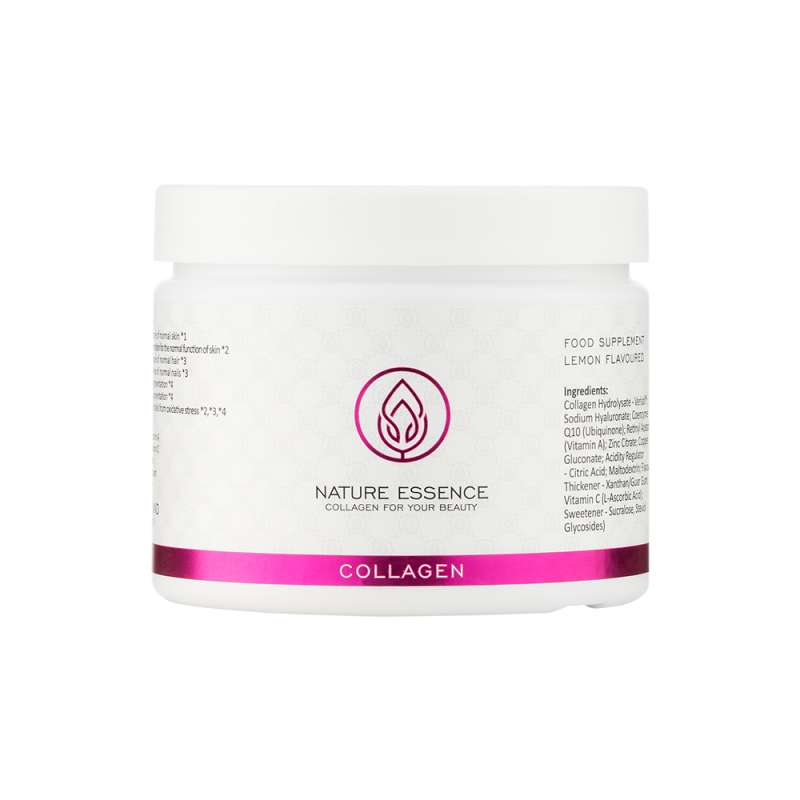
Collagen
Comprehensive beauty care from within. Bioactive VERISOL® collagen peptides, ingredients that support collagen synthesis and antioxidants that help you care for firm, hydrated and radiant-looking skin.€49 - Collagen for Beautiful Skin
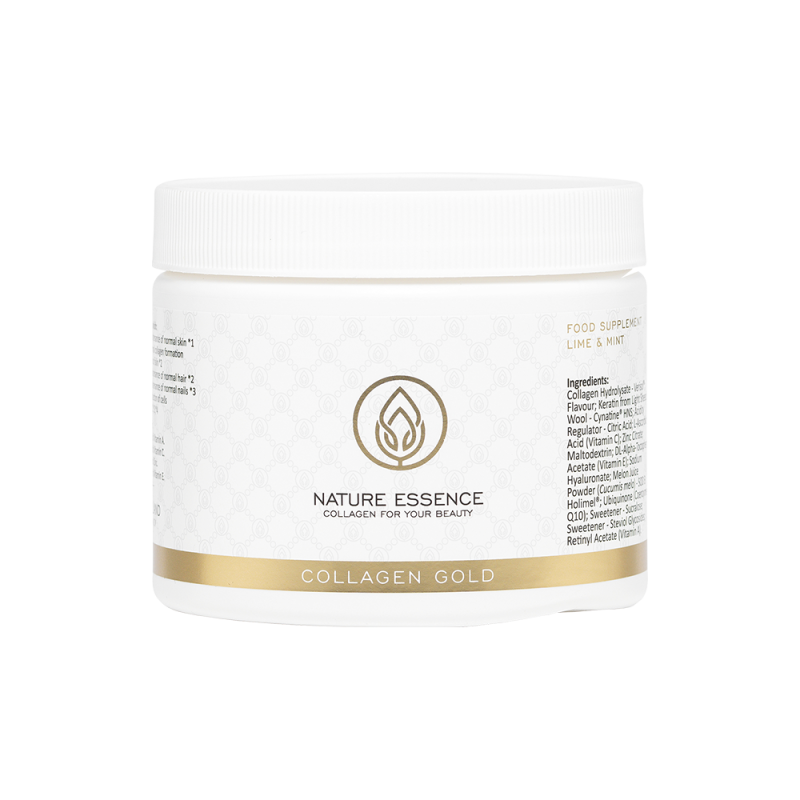
Collagen Gold
Comprehensive beauty care from within. Bioactive VERISOL® collagen peptides, ingredients that support collagen synthesis and antioxidants that help you care for firm, hydrated and radiant-looking skin.€79
Skin discolouration - effective prevention
How do you keep a smooth complexion with an even colour and texture? As with many other skin problems, prevention is the best approach. And by that we mean proper care, high sun protection and simply avoiding excessive sun exposure. So it is worth devoting plenty of attention to choosing the right skincare products to protect your skin from the harmful effects of the sun's rays.
Existing skin discolouration - how to fight it
This depends above all on how deep the discolouration is. There are several proven methods for removing it. We can try to lighten it with specialist products available from the pharmacy, or opt to have it removed at a dermatology clinic. A dermatologist will check the depth of the discolouration using a so-called Wood's lamp. When it is shone on shallow discolouration, the patches blend in colour with the surrounding skin. In deeper discolouration, however, they remain more visible than the skin around them.
Effective methods of fighting discolouration
The cheapest way to fight discolouration is a whitening cream. It is also the simplest method, but it only works on discolouration lying fairly shallow in the epidermis. In addition, the effectiveness of the product will always depend largely on its exact composition. The ingredients in whitening creams can come in different concentrations and therefore have different effectiveness. They also require systematic application. They are, however, an indispensable element in supporting and consolidating the effects of any professional lightening methods.
Exfoliation, which aims to remove a layer of epidermal cells together with the pigment deposits accumulated in them, can be mechanical - in which case it involves abrading the epidermal cells (microdermabrasion works well here) - or chemical. Chemical-mechanical exfoliation, combining both mechanisms, is becoming increasingly popular.
Chemical peels are also a popular method, and the substance most often used in them is glycolic acid. The depth at which the acid works depends on its concentration, a suitably low pH, how long the product stays in contact with the skin and how often it is applied. Importantly, using it will lighten the skin but will not block the mechanism that forms new spots. Peels whiten nicely and effectively, but they do not guarantee that the discolouration will not return after sun exposure.
Discolouration can also be lightened with laser light or IPL. During the treatment, melanin absorbs the light energy, which is then converted into heat. The temperature of the pigment cells rises and destroys them without damaging the surrounding healthy skin.
Skin discolouration really is an extremely common issue that a great many people struggle with. The good news is that we can effectively prevent it and fight it too. It all depends on whether we care for our skin in the right way.